Long before Haiti won its independence in 1804, people from the French colony of Saint-Domingue were already helping shape the young United States. The Haitian Times gathered six of those links; here are the highlights.
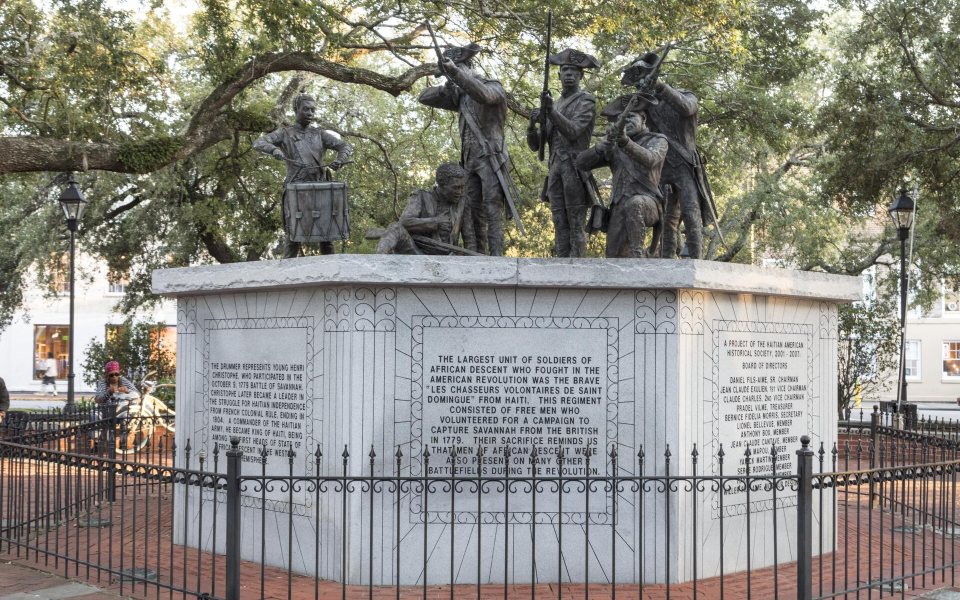
Chicago's founder, Jean Baptiste Point du Sable, was born in Saint-Domingue to a Haitian mother and set up a trading post at the mouth of the Chicago River in the late 1700s. In 1779, more than 500 free Black men from Saint-Domingue, the Chasseurs-Volontaires, fought alongside French forces against the British at the Battle of Savannah, in Georgia. Historians believe a young Henri Christophe, the future king of Haiti's north, was among them.
The Haitian Revolution also changed the map. After Napoleon's forces were defeated in Saint-Domingue, France gave up its Western empire and sold the Louisiana Territory to the United States in 1803, roughly doubling the country's size. Historians widely agree that without the revolution there would have been no Louisiana Purchase.
Refugees from the colony reshaped New Orleans: by 1810, nearly 10,000 had arrived, free Black people, enslaved people and white planters alike, influencing the city's language, food, religion and music. Haiti's independence, won through a successful slave revolt, inspired Black abolitionists in the United States and alarmed Thomas Jefferson and Southern slaveholders.
In New York, Pierre Toussaint, born enslaved in Saint-Domingue, became a leading Black philanthropist who funded orphanages, helped the poor and contributed to building the original St. Patrick's Cathedral. The Catholic Church has declared him venerable, a step on the path to sainthood. In Savannah, a monument in Franklin Square honors the Chasseurs-Volontaires.







Comments
No comments yet. Start the conversation.