
The United Nations Panel of Experts on Haiti accuses former senator Jean-Charles Moïse, a longtime political figure from the North, of controlling much of Haiti's lucrative glass eel trade and leading an illicit export network tied to smuggling across the Caribbean.
In a September report to the UN Security Council, the panel says his network influences who receives export permits, how customs oversees shipments and other steps from harvest to sale. “Through his activities, Moïse contributes to the weakening of the Haitian economy while facilitating regional criminal smuggling networks,” the experts wrote.
Moïse did not respond to the Haitian Times' request for comment. He has not been convicted of any crime in connection with the trade.
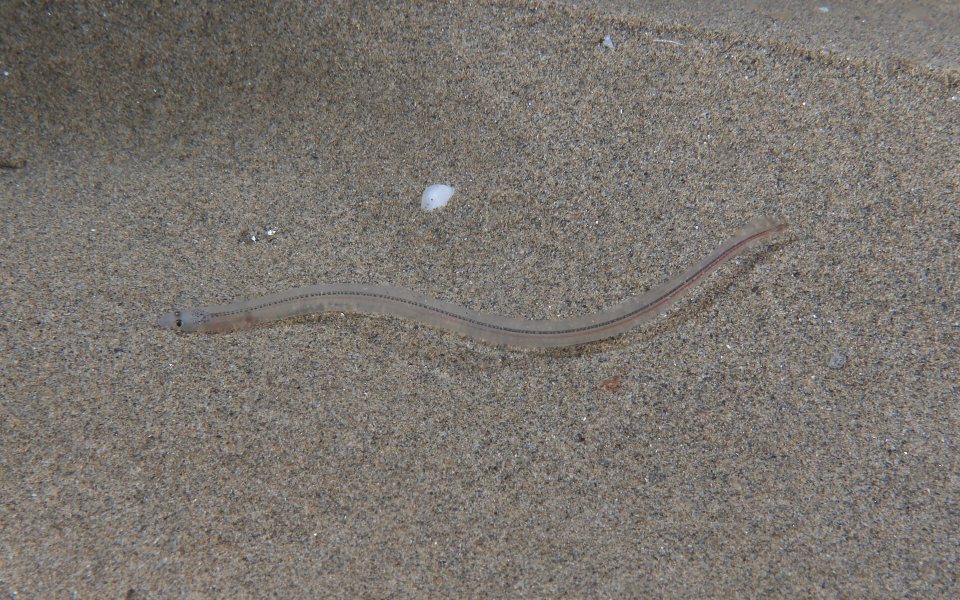
Glass eels are young American eels, known in Haiti as zangi or tizangi. The panel says a kilogram can sell for $3,000 to $5,000 on international markets, mostly in East Asia, while Haitian fishermen receive between 34 cents and $1.70 per kilogram. The fishing season runs from September through March.
The experts describe the sector as poorly regulated and vulnerable to corruption. Haiti is not a party to CITES, the international convention on trade in endangered species, and without a functioning Parliament it cannot complete the steps to join.
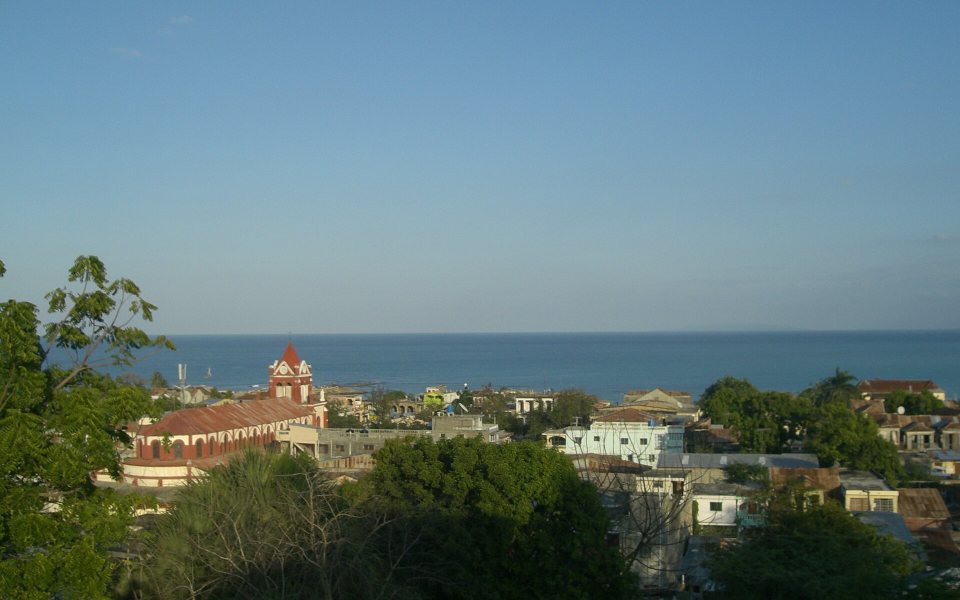
The panel alleges that Moïse pressured customs officials to facilitate tax fraud and that officials who refused were transferred. After U.S. flights from Port-au-Prince were suspended, it says, his network moved eels out through northern Haiti with the help of customs officials and Dominican boat owners.
The findings are based on investigations from October 2025 to July 2026 in Haiti, the Dominican Republic and Miami, including interviews with officials, former exporters and confidential sources. Haiti's anti-corruption journalists' network made similar accusations in June 2025.





Comments
No comments yet. Start the conversation.