
In late September and early October 1937, Dominican dictator Rafael Trujillo ordered the killing of Haitians living in the Dominican Republic. More than 20,000 Haitians and Dominicans of Haitian descent were killed in what became known as the Parsley Massacre, or “Masak Kout Kouto” in Kreyòl. Eighty-nine years later, the last survivors are still waiting for justice.
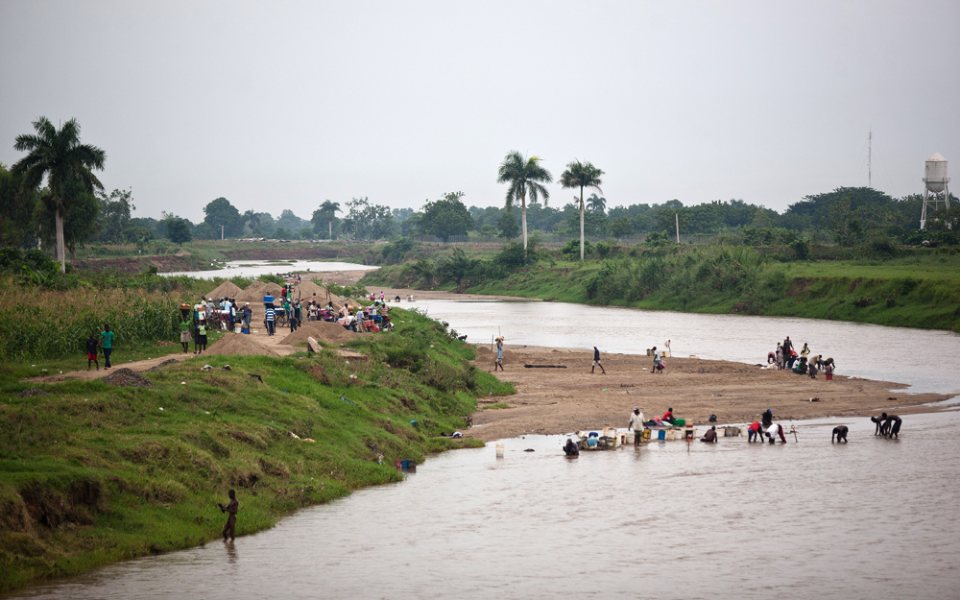
Soldiers used a simple test. People who could not pronounce the Spanish word for parsley, “perejil,” with a rolled r were killed with machetes. Bodies were thrown into the river that separates the two countries, the Massacre River.
For the anniversary, the Haitian Times has republished a 2024 series by its Haiti-based correspondents Edxon Francisque and Onz Chery, who spent five days with 10 survivors in Dosmont and Ferrier, in the commune of Ouanaminthe in the Northeast.
When they were interviewed, Vital Princivil was 111, Soirélia Anténor was 103 and Damuscar Bien-Aimé was 102. Kirsil Joseph and Dumel Saintilnord were both 89. Two other survivors, Marcellus Jean and Gilbert Jean, have since died. Marcellus Jean was 102.
Under a 1938 agreement between Haiti and the Dominican Republic, reparations amounted to about $37 per survivor. None of the survivors ever received the money, the series reports. Their families see reparations as financial relief and also as recognition of what was done to them.
“We have waited too long,” Kirsil Joseph told the newspaper. “Where is our justice?”
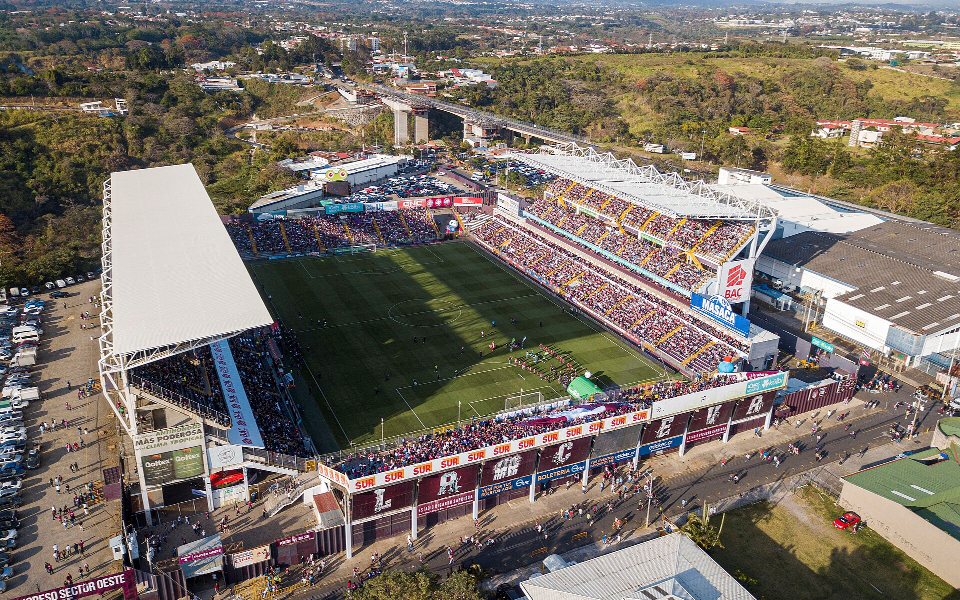
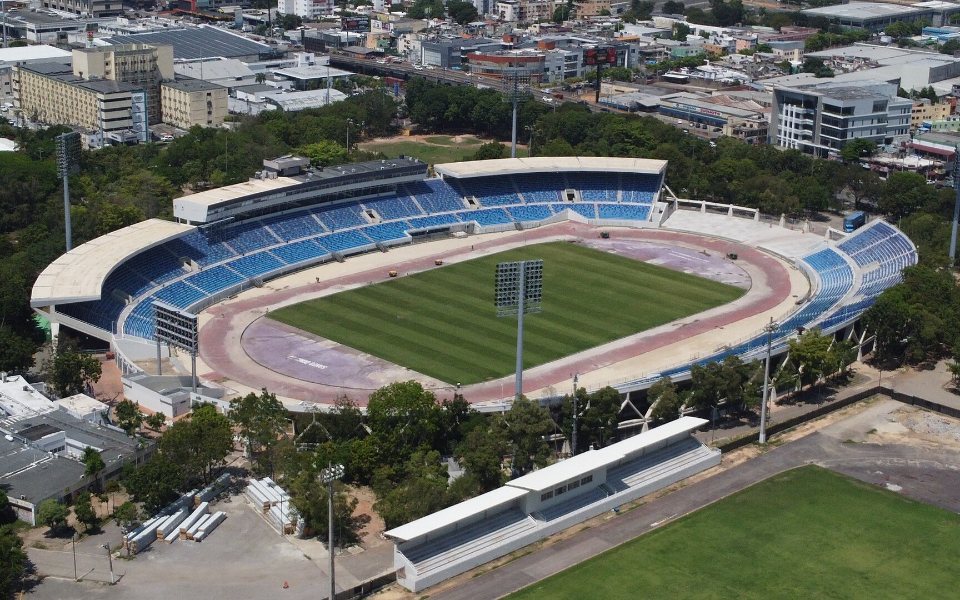
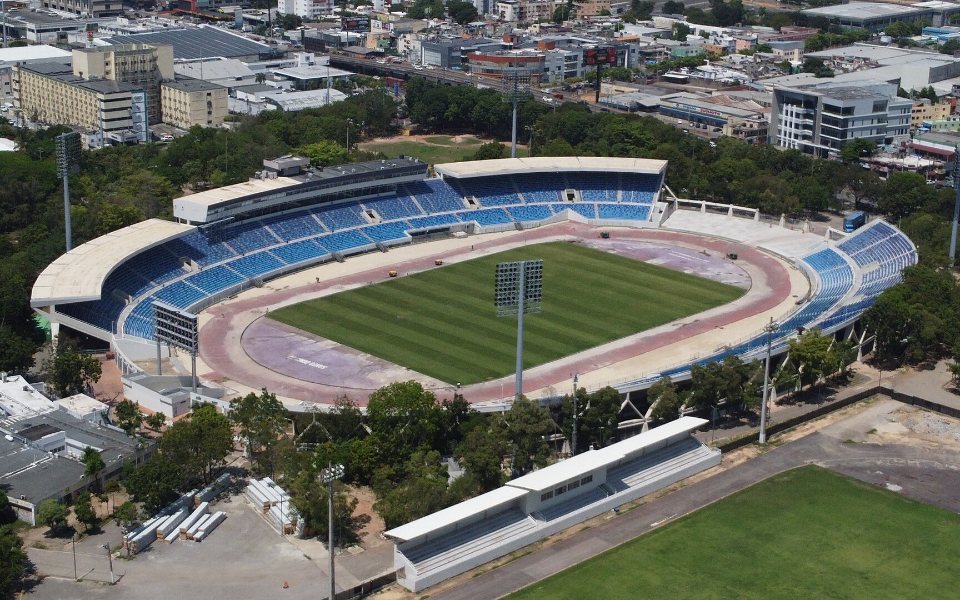
The anniversary comes days after Haiti's 4-1 football win in Santo Domingo and the Dominican government's decision to bar Haiti's national team from its stadiums, a reminder of how tense relations between the two neighbors remain.

Comments
No comments yet. Start the conversation.