

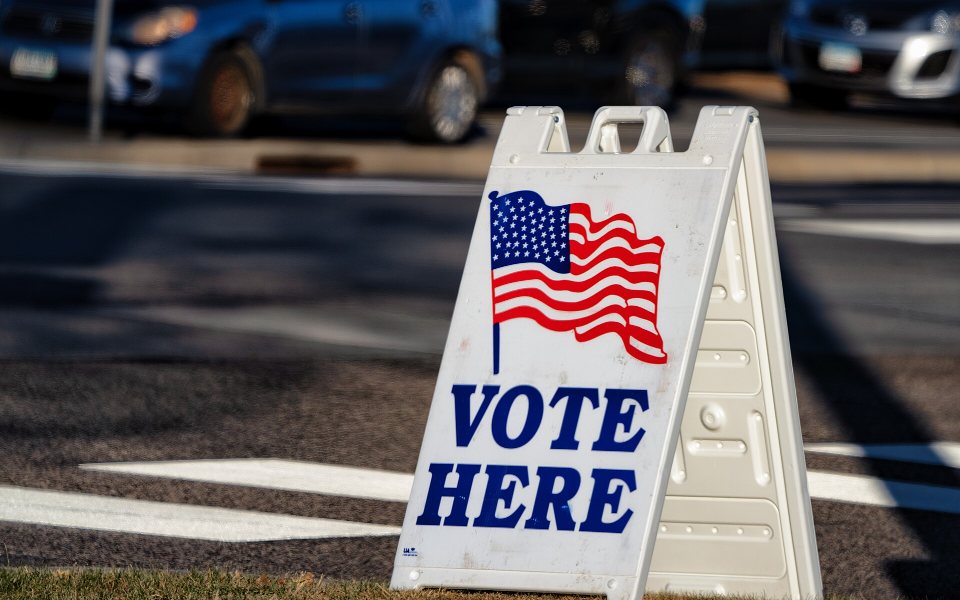
With early voting under way for the November midterm elections, the Trump administration says it has no plans to send immigration officers in large numbers to patrol polling places. Voting rights groups are preparing anyway, the Associated Press reported.
The Department of Homeland Security told the AP that “ICE is not planning operations targeting polling locations” and that people who are in the country legally have “nothing to fear.” Homeland Security Secretary Markwayne Mullin has accused Democrats of “fearmongering,” but said officers could go to a polling place for a specific reason, such as serving a warrant or responding to a threat.
President Donald Trump has not ruled it out. Asked in a Time magazine interview whether he planned to send ICE agents to the polls, he answered: “Haven't thought of it.”
A federal law dating to the Civil War bars “troops or armed men” from places where elections are held unless they are needed to repel armed enemies of the United States. “It is completely and obviously illegal,” said David Becker, a former Justice Department attorney who leads the Center for Election Innovation & Research. Jonathan Diaz of the Campaign Legal Center said the law has no exception for routine law enforcement.
Groups that represent Latino, Black and Asian American voters say months of immigration arrests have already made people afraid, including U.S. citizens. “Just the mere presence of them in and around polling locations is enough of a deterrent for our community,” said Juan Proaño, head of the League of United Latin American Citizens.
Advocates point to an incident this summer in Syracuse, New York, when Homeland Security Investigations agents went to a polling place to serve a notice on a woman.
Organizations are recruiting election monitors and lining up legal help. A coalition called VoteSafe plans to work with trusted community leaders in Georgia, Michigan, North Carolina and Ohio. The Democratic National Committee says it is ready to go to court. For Haitian American citizens, the message from advocates is the same as for every voter: you have the right to vote, and help is available if anyone tries to stop you.



Comments
No comments yet. Start the conversation.