

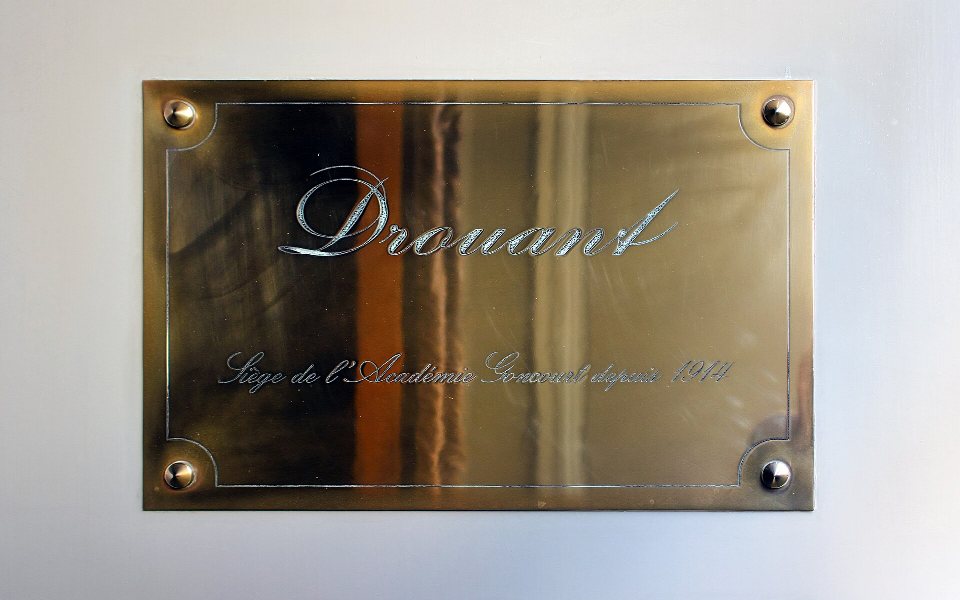
France's Académie Goncourt has removed Haitian Canadian author Thélyson Orélien's novel “C'était ça ou mourir” from consideration for the Goncourt Prize, after allegations that the book was written with artificial intelligence and reports of plagiarism in his earlier work.
The academy announced the decision on September 25. It cited the allegations and several analyses indicating that the novel was probably produced in large part by AI.
Orélien, 38, a poet and writer born in Gonaïves and based in Quebec, denies using AI. He told the news agency AFP that he would provide documentation of how the book was written and called the accusations an attack on his voice. He has since said he is stepping back from the public debate.
The novel follows a Haitian's dangerous journey to Canada through Brazil, Mexico and the United States. It topped French bestseller lists, sold about 35,000 copies and won the Prix du roman Fnac.
The allegations surfaced on September 21, when an anonymous account on X said the AI-detection tool Pangram gave passages of the novel a very high probability of being machine-written. CBC News said it got similar results with other excerpts. Pangram co-founder Max Spero told Le Monde that an analysis of the full novel returned a 95% probability. Such results are not proof of how a book was written, and Alexandre Gefen, a researcher at France's CNRS, said the question may be impossible to demonstrate.
The controversy widened when La Presse reported that a 2013 column published under Orélien's name was an almost complete translation of an article from The Philippine Star, and Radio-Canada found borrowed passages in other texts from 2012 to 2014.
His Quebec publisher, Éditions du Boréal, first defended him. On September 24 it said it could neither confirm nor deny the AI allegations, called the plagiarism reports a serious concern and suspended promotion of the book, citing hateful messages against the author. The novel remains on sale.








Comments
No comments yet. Start the conversation.