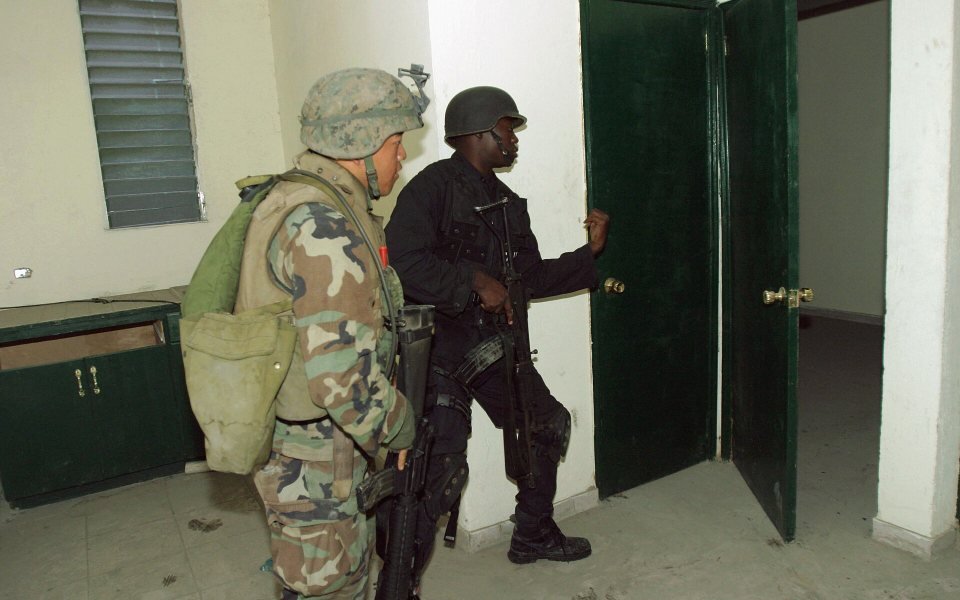
Haiti's fight against armed gangs now involves six main forces, The Haitian Times wrote in an analysis on Monday: the Haitian National Police (PNH), the Protected Areas Surveillance Brigade (BSAP), the Armed Forces of Haiti (FAd'H), the UN-backed Gang Suppression Force, a task force attached to the prime minister's office and led by Vectus Global, the contractor founded by Erik Prince, and the Salvadoran troops sent by President Nayib Bukele.
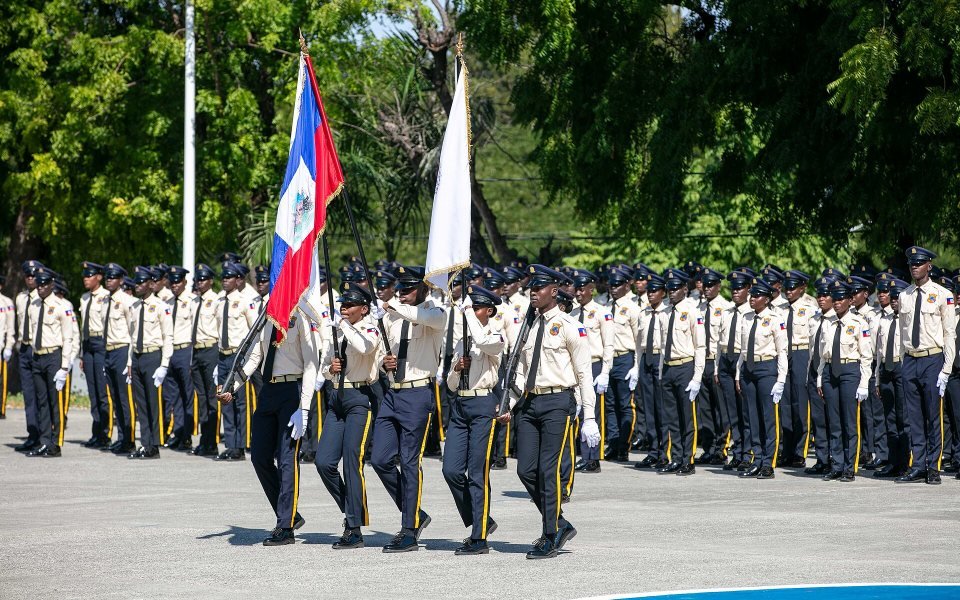
The police remain the main force, but an International Crisis Group assessment puts active officers at about 10,000, below the 13,196 counted by the UN office in Haiti (BINUH) at the end of 2023. The P-4000+ recruitment drive launched in October 2025 has graduated more than 3,200 recruits, and 1,200 aspiring officers entered the National Police Academy's 38th class on November 15.
Former army colonel Himler Rebu told the paper that quality training, equipment, retention and deployment remain critical challenges, and the Crisis Group has questioned the shortening of police training from seven months to less than four.
The BSAP, created in 2018 to protect sensitive natural areas, officially claims more than 3,000 members but has largely slipped out of state control, according to human rights leader Pierre Espérance, who says some members are allegedly linked to trafficking, kidnapping and extortion. The army, re-established in 2017, has about 900 to 1,000 active soldiers, according to an estimate by Prime Minister Alix Didier Fils-Aimé.
From about 200 private contractors to thousands of Haitian and foreign personnel, the forces differ widely in size, mandate, resources and independence, the paper notes, as Haitians call for better coordination and more than short-term fixes.




Comments
No comments yet. Start the conversation.