
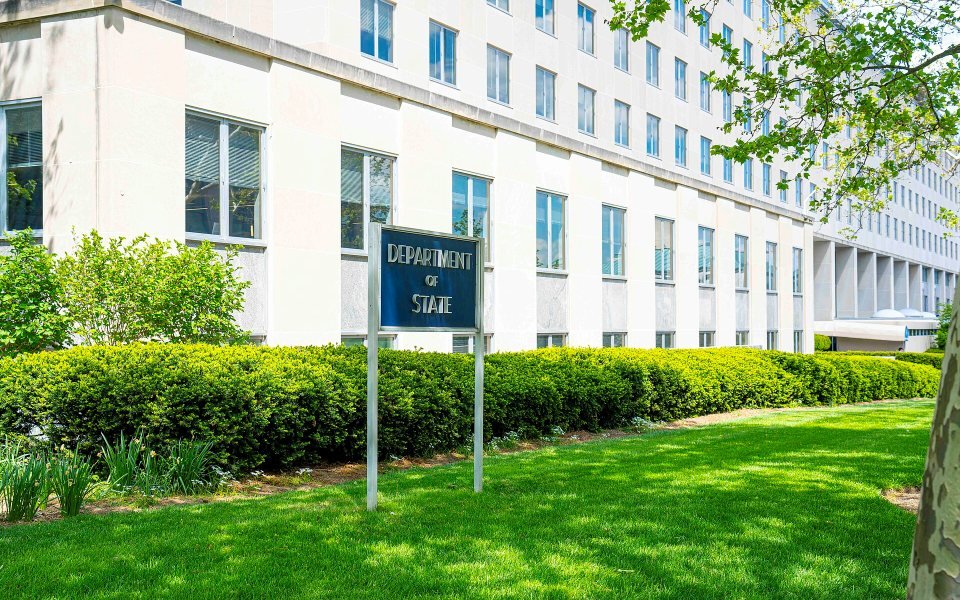
U.S. State Department background reports prepared for immigration courts paint a more favourable picture of conditions in Guatemala, Mexico, El Salvador and Honduras than human rights advocates say the evidence supports, The Associated Press reported in an investigation republished by The Haitian Times on November 25.
One report describes Honduras' Gracias a Dios department as "a low-crime, functioning department", while the State Department's travel advisory warns Americans not to go there because of violent crime, armed robbery, murder and active terrorist groups. According to the AP, the reports use selective data, careful wording and, in some cases, facts that do not stand up, which could give judges grounds to deny asylum to people fleeing domestic violence and gangs.
Elliot Young, a Lewis & Clark College professor who analysed the documents and has testified as an expert in more than 700 asylum cases, said the reports appeared to be "reverse-engineered" to counter evidence in the most common kinds of cases. The State Department said it may provide information about foreign country conditions to immigration courts and U.S. Citizenship and Immigration Services.
Asylum denial rates rose from about 72% at the end of the Biden administration to 94% in June under President Donald Trump, according to the research group TRAC. The reports reviewed do not concern Haiti, but the trend weighs on all asylum seekers, including Haitians who have lost other protections such as TPS.






Comments
No comments yet. Start the conversation.