

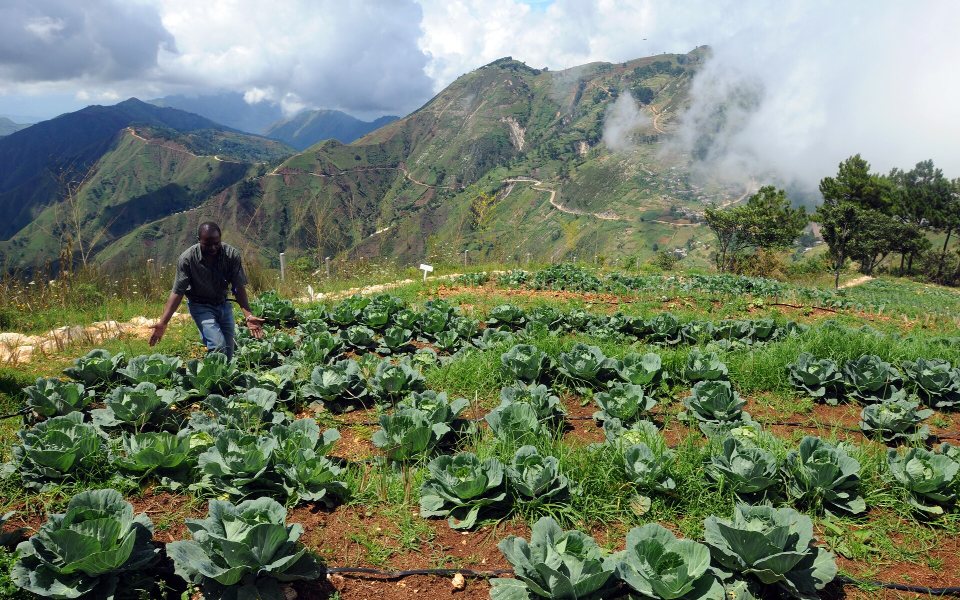
Haitian farmers are trapped between gang violence, displacement, an economic crisis and climate shocks, UN agencies warned in a report published by UN News on Thursday, November 19. The El Niño phenomenon is raising the risk of both drought and floods for the coming harvests.
According to the projections cited by the UN, about 6.35 million people, nearly half of the population, may be unable to meet their food needs between March and June 2027, and close to 2 million could reach emergency levels. Nearly 4 million people could be affected by drought by December 2026, and more than 1.5 million have already been forced to flee gang violence.
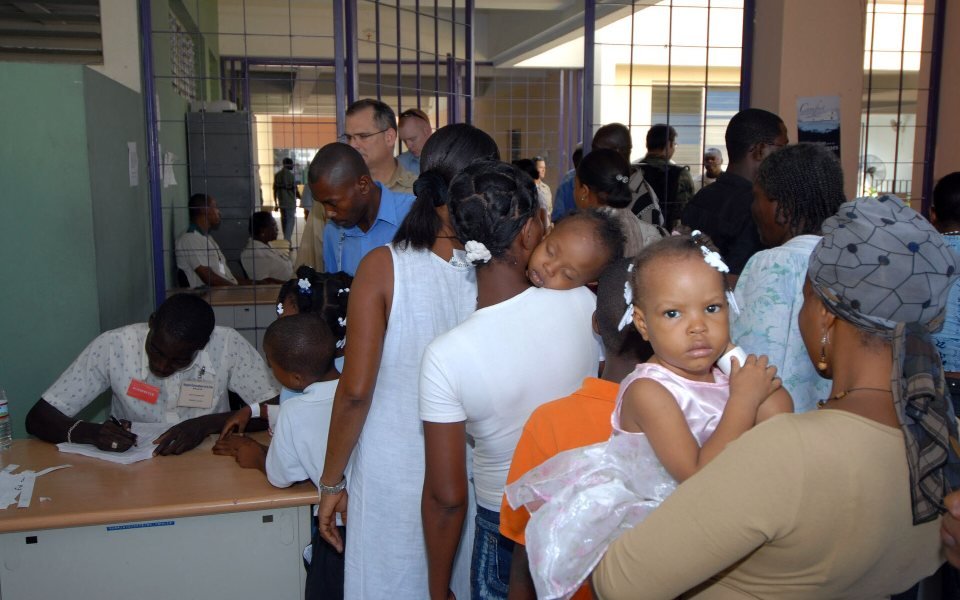
The World Food Programme (WFP) says it helped 2.6 million people in 2026, working with Haitian authorities. Its school meals reach more than 620,000 pupils, and 74% of the food served in school canteens is bought from local farmers. After disasters, stocks placed in advance allow the agency to hand out rice, beans and cooking oil to about 300,000 people for a month, as it did after Hurricane Melissa struck the south a year ago.
The Food and Agriculture Organization (FAO) is distributing poultry and goats to farmers. Its representative in Haiti, Pierre Vauthier, noted that animals can be handed out at any time of year and help families right away. Erwan Rumen, WFP's acting country director, called on UN agencies and the government to combine emergency aid with long-term investment in what he described as a complex, multidimensional crisis.
For farmers like Dieula Célestin, interviewed by the UN, the problem is simple: the rain is not coming.




Comments
No comments yet. Start the conversation.