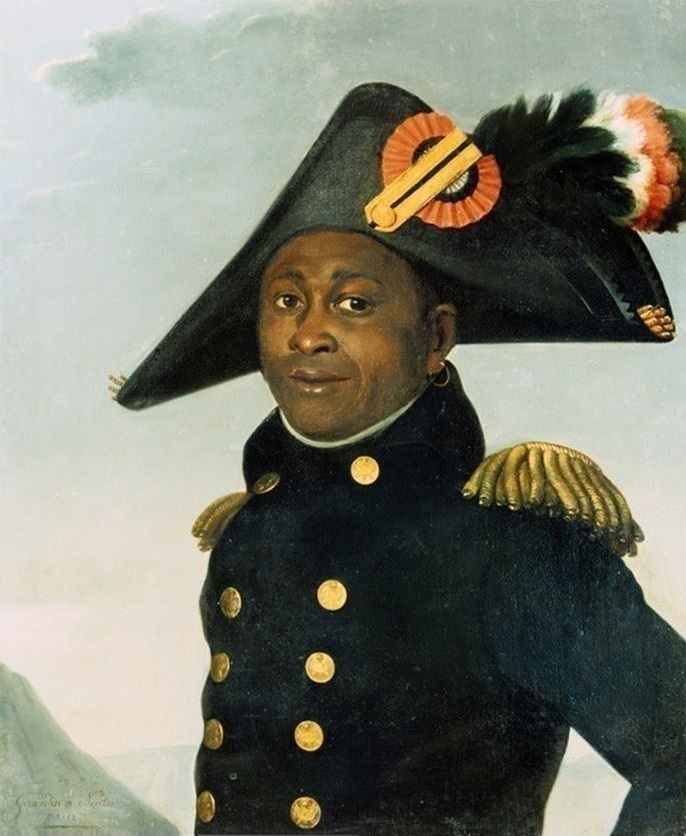
Toussaint Louverture
The formerly enslaved general who led the revolution, abolished slavery in the colony and wrote its first constitution. Captured by the French in 1802, he told his captors that the tree of liberty would grow back from its roots.
Breaking Dènye nouvèl
Home / Legacy & Freedom
Istwa nou, fyète nou
From the enslaved people of Saint-Domingue to the world's first Black republic, and from Emperor Soulouque's Petit-Goâve to the konpa stages of today, this is the story of a people who refused to be anything but free.
Our name
The people of Petit-Goâve call themselves Soulouquois, after their city's most famous son. Faustin-Élie Soulouque was born in Petit-Goâve in 1782, born into slavery and freed by the emancipation of 1793. He fought in the war of independence and spent decades as a soldier before rising to general in the Haitian Army.
In 1847, the Senate chose him as President of Haiti. Two years later, in 1849, he was proclaimed Emperor Faustin I and reigned until 1859, a Black sovereign in a century of colonial empires. His reign was turbulent and remains debated by historians, but his rise from slavery to the throne is a story of Haitian possibility.
We took his name because it belongs to Petit-Goâve, and because it reminds us where Haitian stories start: in small towns, among ordinary people who became extraordinary.
The western third of Hispaniola passes to France. Its sugar and coffee plantations, worked by hundreds of thousands of enslaved Africans, become the richest colony in the Americas.
In August, enslaved people in the northern plain rise up after the ceremony at Bois Caïman. It is the start of the Haitian Revolution.
French commissioners abolish slavery in Saint-Domingue; France extends abolition to all its colonies in 1794.
Napoleon sends an army to restore slavery. Toussaint Louverture is seized and deported to France, where he dies in 1803.
On November 18, forces under Jean-Jacques Dessalines and François Capois defeat the French near Cap-Français. Napoleon's army leaves the island.
On January 1 in Gonaïves, Dessalines proclaims the independent nation of Haiti, restoring the island's Taíno name, Ayiti. Families still celebrate with soup joumou, once reserved for the enslavers.
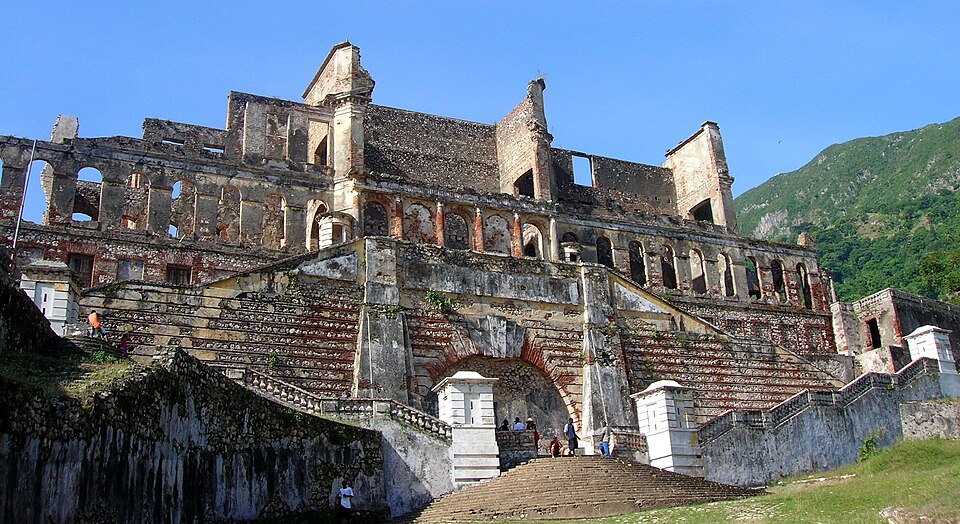
King Henri Christophe's mountain fortress stands guard against any return of the French.
Under threat of warships, France forces Haiti to pay 150 million francs for its own freedom, later reduced to 90 million. The payments drain the country for generations.
Faustin Soulouque becomes president. In 1849 he is proclaimed Emperor Faustin I and rules until 1859.
U.S. Marines occupy Haiti until 1934. Peasant fighters led by Charlemagne Péralte resist.
After the fall of the Duvalier dictatorship in 1986, a new constitution makes Kreyòl an official language.
On January 12, a magnitude 7.0 earthquake strikes near Port-au-Prince, killing hundreds of thousands. Haitians rebuild with the solidarity of the diaspora.
The Grenadiers return to the World Cup for the first time since 1974, konpa tops charts in East Africa, and Haitians prepare for their first elections in a decade.
Zansèt nou yo
The formerly enslaved general who led the revolution, abolished slavery in the colony and wrote its first constitution. Captured by the French in 1802, he told his captors that the tree of liberty would grow back from its roots.
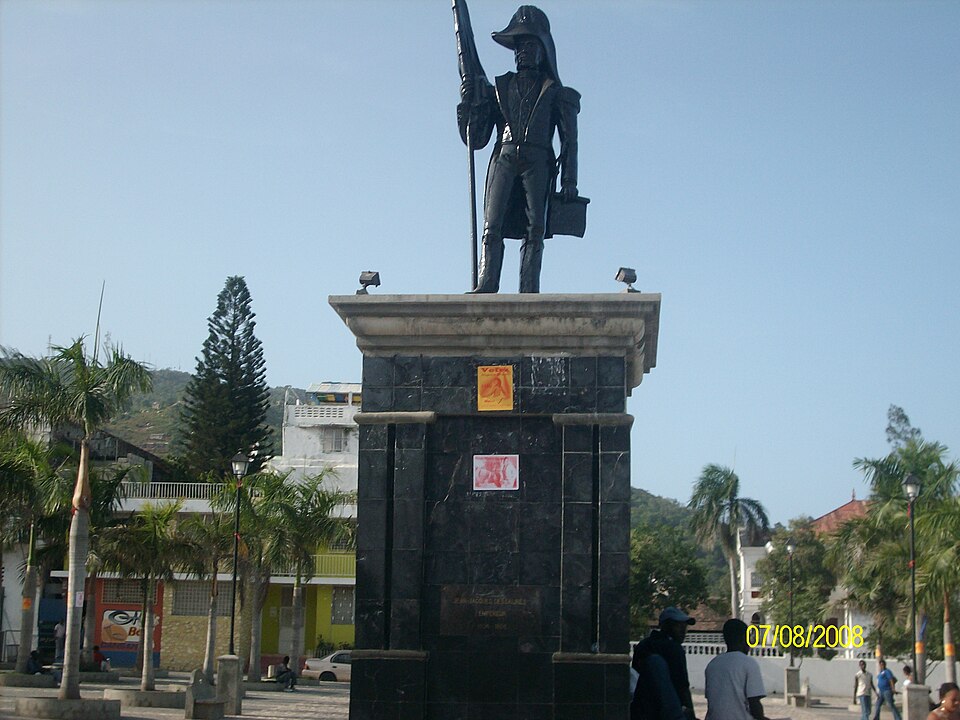
Born into slavery in 1758, he led the final victory and proclaimed independence on January 1, 1804. The national anthem, La Dessalinienne, carries his name.
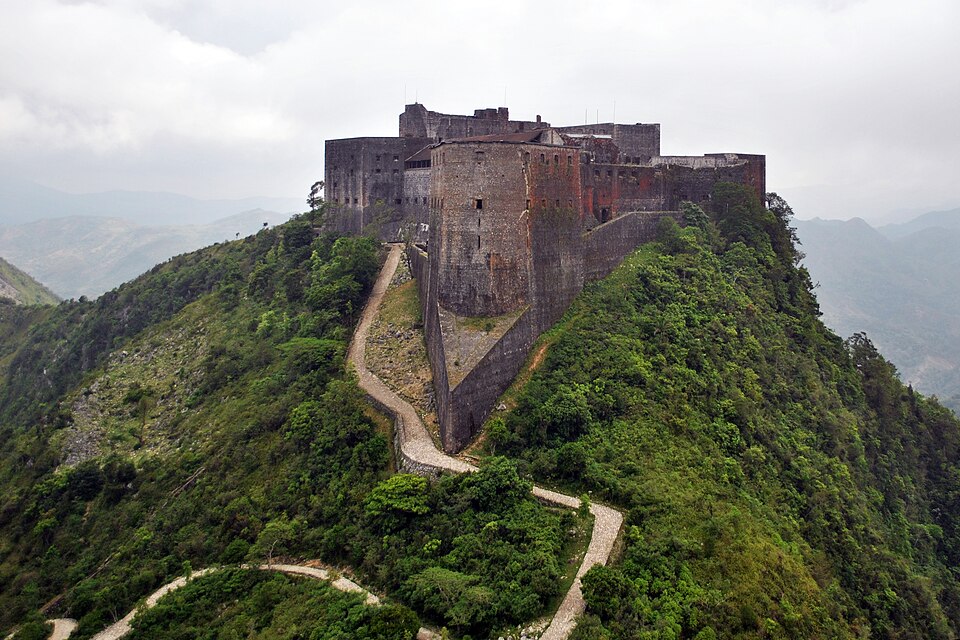
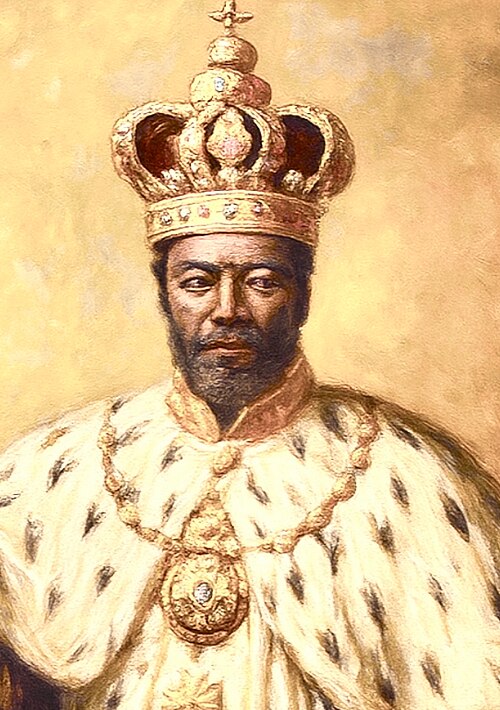
Revolutionary general and later King Henri I of the north, he built the Citadelle and Sans-Souci, monuments that still announce Haiti's sovereignty to the world.
Kilti se richès
Konpa, rasin, twoubadou, rara
From Nemours Jean-Baptiste's konpa of the 1950s to the rara bands of Lent and the rasin movement of Boukman Eksperyans, Haitian music keeps the country dancing through everything.
Penti ak atizana
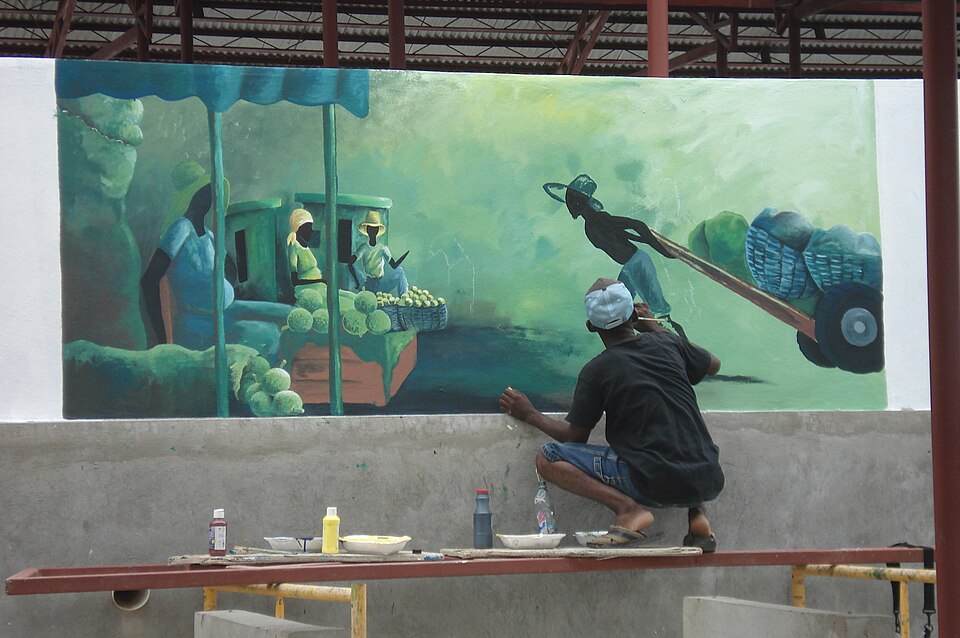
Since the Centre d'Art opened in 1944, Haitian painters have amazed the world. Jacmel's papier-mâché masks and the metalwork of Croix-des-Bouquets carry the tradition on.
Manje lakay
Soup joumou on January 1, diri ak djon djon, griyo and pikliz, and in Petit-Goâve, the famous dous makòs, a layered milk fudge first made in the city.
Kreyòl pale, Kreyòl konprann
Haitian Kreyòl, spoken by nearly every Haitian, became an official language in 1987. It is the voice of our proverbs, our songs and this newsroom.
HaitiOn this day
The general who declared independence on Jan. 1, 1804, is remembered as the father of the Haitian nation.
SportsFootball
Haiti exited in the group stage but filled stadiums with bleu et rouge. Spanish coach David Badía now leads the team.
TravelOur home
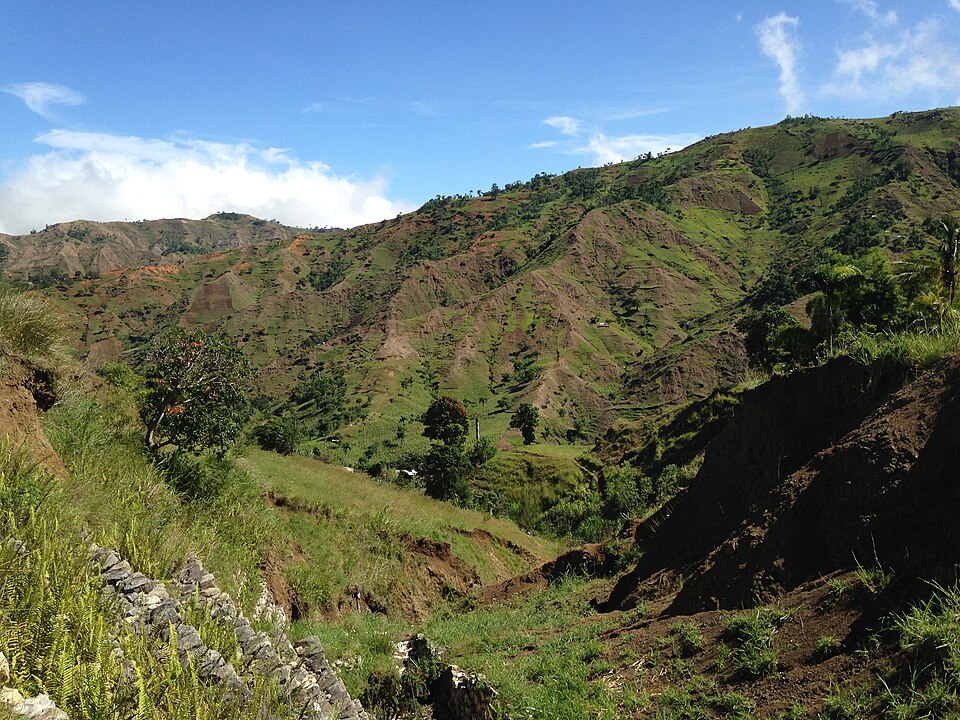
A seaside city on the Gulf of Gonâve with history, hills and a famous sweet.